US driveway planning
Gravel Driveway Cost: Installation, Materials and Maintenance
Plan a gravel driveway with US cost examples by size, material and installation scope. Learn what a quote should include, how to estimate volume and when a simple top-up will not solve the problem.
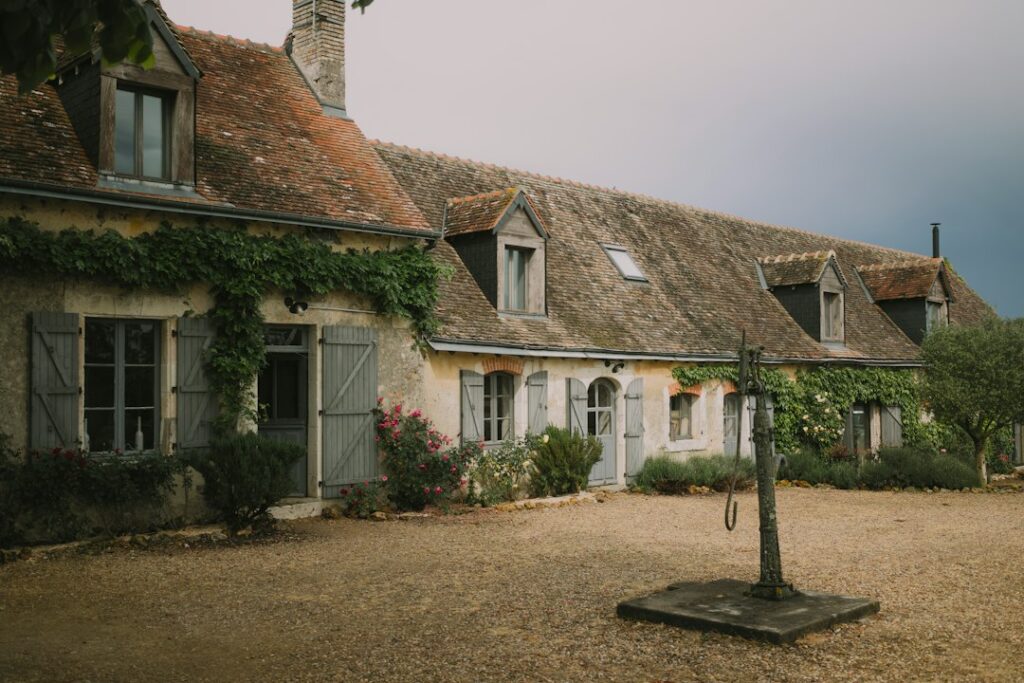
A gravel driveway can be an affordable way to cover a long or straightforward route, but the stone is only part of the job. For a 600-square-foot driveway, our $2–$5-per-square-foot planning band gives $1,200–$3,000 for a relatively simple installation. A site that needs substantial excavation, a rebuilt base, drainage or difficult access can cost more. Measure the area and ask for an itemized local quote before choosing a budget.
The examples here are calculations for comparing options, not a survey of contractor bids. A supplier’s price to deliver a load of gravel is not the same as a contractor’s price to prepare and finish a vehicle-ready driveway.
Gravel driveway cost at a glance
Use the same installed planning rate across the sizes below so you can see how the area changes the arithmetic. The low end assumes simpler conditions; it is not a guaranteed contractor starting price.
| Area | At $2 / sq. ft. | At $5 / sq. ft. | How to read it |
|---|---|---|---|
| 300 sq. ft. | $600 | $1,500 | A small parking area; minimum job charges may matter. |
| 600 sq. ft. | $1,200 | $3,000 | Our 40-by-15-foot comparison example. |
| 900 sq. ft. | $1,800 | $4,500 | A longer or wider layout; grading needs may grow. |
For a wider comparison with asphalt, concrete and pavers, see the main driveway cost guide. Its calculator uses the same gravel band, so a 40-by-15-foot entry produces the same $1,200–$3,000 example.
What changes the price of a gravel driveway?
Four parts of the job can move your quote outside a simple square-foot range:
- Existing groundExcavation, removal and a weak base add work. Ask what will be removed, where the spoil goes, and how the ground will be graded and compacted. Fresh gravel alone will not fix recurring ruts.
- Layers and depthAsk for the base and surface materials and the compacted depth of each layer. Compare a thin top-up with another top-up, rather than a complete new installation.
- Drainage and edgesRunoff may need grading, a channel or a culvert; sloped edges may need restraint. Ask where water will go near the garage, street and neighboring property.
- Delivery and accessHaul distance, truck access and equipment time affect the total. Confirm whether delivery, spreading, compaction and cleanup are included in the quote.
Which gravel should go on a driveway?
“Gravel” is a broad label. A contractor may propose a compactable crushed aggregate for the base, a different surface grade, or a decorative stone. Angular crushed material can interlock when compacted; smooth rounded pebbles are more likely to shift under tires. That makes a decorative product a poor substitute for an engineered driving surface unless the whole system is designed for it.
Ask the contractor to specify the material by local product name and grade, explain what each layer does, and show a sample of the intended visible surface. In some regions, recycled aggregate or crushed concrete may be offered as an alternative. Ask about grading, source, fines and suitability for your site rather than assuming every bag or delivered load sold as “driveway gravel” has the same performance. A surface that looks attractive on delivery should also stay stable under turning vehicles and weather.
How do you measure the area and estimate gravel volume?
Measure length and width in feet. A rectangular 40-by-15-foot layout is 600 square feet. Split irregular shapes into smaller rectangles and add them; include an apron or turnaround only if it is part of the job. The square-foot price comparison uses this area, but ordering stone also requires a proposed depth.
For a simple geometric volume illustration, a 600-square-foot area at 4 inches deep takes 600 × (4 ÷ 12) = 200 cubic feet, or about 7.4 cubic yards before allowances. This is not an order quantity: the contractor must account for the actual layer specification, compaction, uneven ground, waste and the supplier’s sales unit. Do not turn cubic yards into tons with a universal factor; aggregate density varies. Ask the supplier and installer to reconcile the quantity with the design.
New installation, replacement or a gravel refresh?
New driveway
A new installation starts with the site rather than the surface. Confirm access, vegetation or soil removal, the route and width, the base specification, surface material, grading, compaction and drainage. If the drive connects to a public street, check local rules before work begins. The simple $2–$5 band may not cover extensive groundwork or a complicated connection.
Replacing another surface
Breaking up and disposing of old asphalt or concrete is a separate scope. Ask whether the existing base can be retained, how the contractor will test it, and what happens if it is unsuitable. A replacement quote should distinguish demolition, disposal, base repair and the new gravel system. A “gravel installed” rate from a new-site example cannot price the old surface away.
Refreshing an existing gravel drive
If the base and drainage are sound, a contractor may be able to regrade and top up the surface. That is a smaller job than creating a driveway from bare ground. Repeated potholes, washouts or sinking call for a diagnosis before adding another load of stone. Request a separate repair proposal if underlying work is needed; do not assume topping up is a durable fix.
What maintenance should you budget for?
Gravel can migrate under turning tires or during heavy rain. Expect to monitor ruts, potholes, weeds and the condition of edges and runoff routes. Some drives need periodic grading and added material; the frequency depends on traffic, weather, slope and construction quality. Ask the installer what maintenance they expect for your specific layout and whether machinery can reach it later.
Loose gravel may also be less convenient for wheeled bins, bicycles or mobility aids than a firm paved surface. Snow removal can displace stone if the blade catches it. A steep driveway or persistent runoff can make loose material harder to retain. Consider these practical effects alongside the lower initial budget.
How to compare gravel driveway quotes
Give each contractor the same measured area, intended vehicle use and known problems. Ask for a site visit and a written scope covering:
- Finished dimensions, including parking areas and the street apron.
- Removal and disposal of vegetation, soil or an existing surface.
- Base and surface aggregate grades, compacted depths and quantities.
- Grading, compaction, drainage and edge treatment.
- Material delivery, equipment access, cleanup and permit responsibility.
- Work schedule, payment stages, exclusions and any warranty.
If one bid includes a rebuilt base and another assumes the existing ground is ready, compare the scopes before the totals. Ask for separately priced options where a top-up might be suitable but base repair is uncertain. Keep unpriced conditions visible in the comparison rather than inventing a “contingency” as if it were a contractor estimate.
Frequently asked questions
Is a gravel driveway cheaper than asphalt?
It often has a lower initial cost on a straightforward site. In our national planning bands, gravel is $2–$5 per square foot and new asphalt is $7–$13. Real quotes can overlap when gravel needs major earthwork or the asphalt job uses an existing suitable base. Compare the same site preparation and ownership needs.
Can I install it myself?
Delivery and spreading alone can be practical for a small, sound area, but a full driveway also involves grade, drainage and compaction. If the route is steep, soft or prone to water problems, get a professional site assessment. Compare tool hire, delivery and your time with an itemized installation proposal.
Will adding gravel fix potholes?
It may briefly improve the surface, but repeated potholes can point to poor drainage, weak base layers or insufficient compaction. Ask what caused the failure and whether the affected area needs rebuilding before paying for more surface material.
Is gravel suitable for a steep driveway?
It depends on the slope, runoff and how the surface will be restrained. Loose stone can move downhill or wash out, especially under braking or heavy rain. Ask a local installer to assess drainage, grading and the proposed gravel system before choosing it for a steep route.
How these costs were calculated
We reviewed published US pricing guidance in September 2026 and chose a $2–$5-per-square-foot planning band for a relatively simple installed gravel driveway. Hello Gravel discusses $1–$5 for gravel driveways, while Angi gives a wider $1–$10 range reflecting differing materials and project conditions. Our $2 lower bound is an editorial planning choice within those reported ranges; it is not a surveyed median. Every total above is area × $2 or area × $5, rounded to the dollar. The 4-inch volume example is geometry, not a layer recommendation or material order. We have not collected original contractor quotes for this page. Local written bids are the right basis for a purchase.