US driveway planning
Driveway Cost Guide: Prices by Material, Size and Project
Compare US driveway costs for gravel, asphalt, concrete and pavers. See size examples, replacement and resurfacing differences, cost factors and a contractor quote checklist.
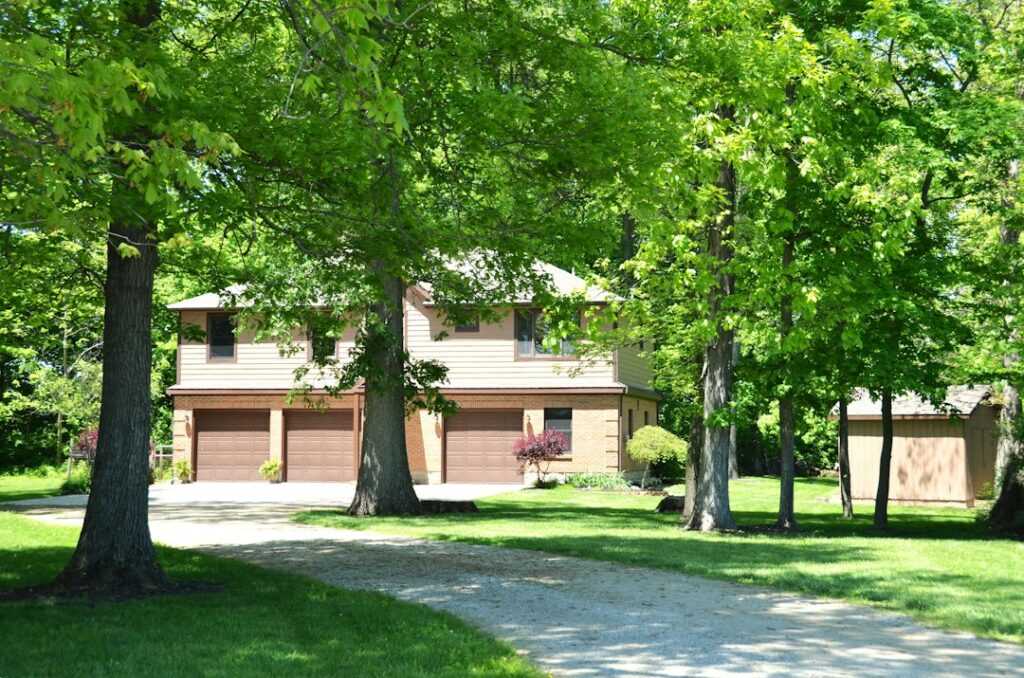
A new driveway budget starts with two measurements: the area you need to cover and the surface you want to install. For a typical 600-square-foot layout, a straightforward installation might span roughly $1,200–$3,000 for gravel, $4,200–$7,800 for asphalt, $4,800–$12,000 for plain concrete, or $6,000–$18,000 for pavers. These are broad US planning ranges. Groundwork, demolition, drainage and local labor can move a real quote well outside them.
The figures below use published installed-cost ranges, then multiply by the stated area. They are not local bids or a promise that every contractor includes the same preparation. Before choosing a surface, decide whether the project is a new installation, a full replacement, a resurfacing job or a localized repair: those are different scopes. If the damage is limited, start with our driveway repair cost guide.
Driveway cost at a glance
| Surface | Rate per sq. ft. | 600 sq. ft. cost | Budget consideration |
|---|---|---|---|
| Gravel | $2–$5 | $1,200–$3,000 | Base preparation, edging and future replenishment |
| Asphalt | $7–$13 | $4,200–$7,800 | Base quality and periodic sealing |
| Plain concrete | $8–$20 | $4,800–$12,000 | Thickness, reinforcement and finish |
| Pavers | $10–$30 | $6,000–$18,000 | Excavation, bedding, edging and paver choice |
Use these ranges to compare materials and set an initial budget. They are planning estimates, not local quotes. For the sources, assumptions and calculation, see how we calculated the prices.
How to estimate the area
For a rectangular driveway, multiply length by width in feet to get square feet. A 40-foot-long, 15-foot-wide driveway is 600 sq. ft. If the shape changes width, split it into rectangles and add their areas. Measure the apron, parking pad or turnaround separately and include them only if they are in the contractor’s scope.
Then multiply the area by the low and high installed rates for your chosen material. For a 600-square-foot asphalt example, $7 × 600 gives $4,200 and $13 × 600 gives $7,800. This simple calculation does not price removal or unexpected work. Use the calculator on the homepage for a quick comparison, then get a site visit for an actual quote.
What does a per-square-foot estimate include?
An installed rate is a useful starting point, but the word “installed” does not make every quote identical. One contractor may be pricing a prepared, level site with straightforward access; another may include excavation, a new base and disposal. Ask for a written description of the work before comparing either total with the figures on this page.
Start by separating the job into three parts. Preparation covers what happens before the surface goes down: clearing or removing the old driveway, grading, soil work, a compacted base and any drainage measures. Surfacing covers the material and its installation, including the specified depth or thickness, finish and edges. Project extras can include a permit, changes at the curb, difficult access, decorative work or hauling debris. A contractor may bundle some of these into one price, so the important question is what the written scope actually says.
For example, the calculator shows $4,200–$7,800 for 600 sq. ft. of asphalt using the $7–$13 planning rate. That multiplication cannot tell whether an existing slab must be broken out, whether the ground needs stabilization, or whether the driveway needs a drain. Do not add a generic percentage for those unknowns: ask each contractor to inspect the site and price the same work. If a quote falls outside the planning band, request the breakdown before treating it as too high or too low.
What each driveway material changes
Compare the surface, the work beneath it and the ongoing care before choosing a material. These installed rates are broad US planning ranges per square foot.
Gravel
$2–$5 per sq. ft.
Lower upfront cost; plan for grading and replenishment.
- Lower upfront cost can suit a long or rural drive.
- Compare excavation, compacted base, edging and runoff in the quote.
- Allow for grading and fresh stone over time; delivered stone is not a finished driveway.
Asphalt
$7–$13 per sq. ft.
A paved option where base quality and maintenance matter.
- Check the base, drainage and compacted asphalt thickness.
- Separate new installation, an overlay and a full tear-out when comparing prices.
- Ask about the sealing schedule and ongoing upkeep.
Concrete
$8–$20 per sq. ft.
A durable finish; thickness and decorative work affect price.
- Get slab thickness, reinforcement, joints, finish and drainage in writing.
- Decorative finishes or a border can change the total substantially.
- Plan for less routine surface upkeep, but allow for costly crack or settlement repairs.
Pavers
$10–$30 per sq. ft.
Flexible patterns and individual repairs; installation details count.
- Specify vehicle-rated units, bedding, base and edge restraints.
- Colors and patterns vary; individual units can be lifted and replaced.
- Premium stone, brick or intricate patterns may exceed the planning range.
What different sizes can mean for the budget
These examples simply multiply area by the four material ranges above. They are comparison calculations, not surveyed project prices:
| Area | Gravel | Asphalt | Concrete | Pavers |
|---|---|---|---|---|
| 300 sq. ft. | $600–$1,500 | $2,100–$3,900 | $2,400–$6,000 | $3,000–$9,000 |
| 600 sq. ft. | $1,200–$3,000 | $4,200–$7,800 | $4,800–$12,000 | $6,000–$18,000 |
| 900 sq. ft. | $1,800–$4,500 | $6,300–$11,700 | $7,200–$18,000 | $9,000–$27,000 |
Small jobs can have minimum mobilization charges, so their actual per-square-foot price may exceed a simple multiplication. Longer drives can also need more grading and drainage work. Treat the table as a way to compare choices at the same area.
New installation, replacement or resurfacing?
New installation means creating a usable driveway where there is not one now. Soil removal, access, grading, base construction and any connection to the street need to be understood before pricing.
Replacement includes removing an existing surface and deciding whether its base can be reused. Removal and disposal can be substantial extra items. Ask where debris goes and whether the quote includes disposal fees. If the existing base has failed, laying a new surface over it is unlikely to address the underlying problem.
Resurfacing renews a suitable existing surface without rebuilding everything underneath. It is relevant only when the base and drainage are sound enough for that approach. An asphalt overlay can be priced separately from a new driveway, and concrete surface treatments have their own scope. Neither is the same job as full replacement. Have the contractor explain cracks, ponding and settlement before accepting an overlay proposal.
Which project scope should you ask for?
If there is no usable driveway now, ask for a new installation with site preparation and the base specified. If an existing driveway has extensive movement or failed drainage, ask the contractor to price a full replacement and explain whether any base can be retained. If damage appears limited to the surface, ask whether resurfacing is technically appropriate and what the contractor will do about existing cracks or low spots. A lower-priced overlay is a poor comparison with a replacement if the underlying problems remain.
You can ask for two separately itemized options when the condition is uncertain. For instance, request a resurfacing option only if the base is sound and a replacement option that includes removal and rebuilding. A site visit should establish which option is realistic; the national new-installation bands above should not be presented as a resurfacing quotation.
Costs that commonly change the quote
- Excavation and sub-base: Soil conditions and the required base depth affect labor, aggregate and disposal. Ask for compacted layer depths rather than a vague “prep included.”
- Old-surface removal: Demolition, hauling and tipping costs should be itemized when replacing a driveway.
- Drainage and slope: A driveway must shed water without directing it toward the house, garage or a neighbor. Channels, grading or other measures may be required.
- Access and layout: Narrow access, curves, a steep grade or a turnaround can increase equipment time and material waste.
- Edges and finishes: Borders, curbs, sealers, colors, stamped finishes and paver patterns need separate prices.
- Permits and street connection: Local requirements vary. Work that changes the curb or public right-of-way may need separate permission. Confirm with the local authority and ask who will apply.
- Location and season: Labor rates, material availability and delivery distance vary. A national range cannot adjust precisely to your ZIP code.
How to compare contractor estimates
Ask at least two or three qualified local contractors to visit the same site and quote the same scope. Give each the approximate area, preferred material, intended vehicle use and any known drainage or removal issues. A clear written quote should make it possible to answer:
- What are the measured dimensions, and does the apron or turnaround count?
- What existing material will be removed, and is hauling and disposal included?
- What excavation depth, sub-base material and compaction are specified?
- What is the finished material specification, thickness and finish?
- How will water drain, and which drainage work is included?
- Who handles required permits and the connection to the street?
- What are the schedule, payment stages, warranty terms and exclusions?
Worked example: compare the same 600 sq. ft. project
Suppose two illustrative, invented asphalt bids arrive for the 40-by-15-foot driveway used throughout this guide. Contractor A quotes $5,400; Contractor B quotes $6,200. Both figures happen to sit within the $4,200–$7,800 planning band. A works out to $9 per sq. ft.; B is about $10.33 per sq. ft. Those rates describe the totals divided by area, but they do not tell you which proposal is better.
Read the scopes side by side. If A excludes removal of the existing surface and B includes it, the $800 difference cannot be judged without A’s removal price. If A proposes a thinner surface or a different base, ask both contractors to quote the same specification or explain why their designs differ. Check drainage, disposal, curb work, finish, warranty and payment terms in the same way. Where an item is described as “as needed,” ask who decides, when you will receive a price, and whether work requires your approval before the cost changes.
After clarifying the scope, make a simple comparison: base bid + confirmed exclusions or allowances = comparable project total. Keep unpriced risks in a separate note instead of making up a dollar amount. The goal is to choose a suitable construction plan at a known price, not merely the smallest number on the first page of a proposal.
A lower total is useful only after you know what it covers. If one bid omits demolition or a proper base, place those missing items beside the price before comparing it with another.
Frequently asked questions
What is the cheapest driveway material?
Gravel often has the lowest upfront surface cost, especially on a long drive. The installed budget still depends on excavation, base and drainage, and it requires periodic attention. Compare total project scope and future upkeep.
How much does a two-car driveway cost?
“Two-car” is a description, not a fixed measurement. Our 40-by-15-foot illustration is 600 sq. ft., but a two-car layout can be larger or smaller. Measure your actual layout, including space to open doors and maneuver, and calculate from that area.
Should I resurface or replace the driveway?
Resurfacing is worth discussing when the foundation remains sound and defects are largely at the surface. Widespread sinking, repeated cracking or persistent standing water may require base or drainage work. Ask contractors to diagnose the cause before selecting the less expensive scope.
Will the calculator produce my final price?
No. It applies published national installed-rate ranges to an area. It cannot inspect soil, measure slope, price a local permit, or determine whether an old base can be reused. Use it to compare material budgets and discuss the result with local contractors.
What if a quote is higher than the range shown here?
Ask the contractor to identify the items driving the difference, such as removal, a deeper base, drainage, difficult access or a small-job minimum. Compare the written scope with other local bids; the national range is a starting point, not a ceiling on a real project.
How we calculated these figures
We reviewed published US pricing guides in September 2026. For the comparison we chose gravel $2–$5 (a cautious lower bound within a published $1–$5 band), new asphalt $7–$13, plain concrete $8–$20 and pavers $10–$30 per square foot. For each row, area × the low and high rates produces the shown dollar totals; for instance 600 × $7–$13 = $4,200–$7,800. These are our planning calculations, not surveyed project prices or original contractor quotes. The publishers have different definitions of preparation and job scope. We do not add a regional multiplier, and the figures can miss site work or minimum charges. We will revise them as better local quote evidence becomes available.
Sources reviewed: Hello Gravel, Gravel Driveway Cost; Angi, Asphalt Driveway Cost; NerdWallet, Asphalt vs. Concrete; Angi, Paver Driveway Cost. These are published guides, some from service marketplaces, and are not endorsements or price guarantees. Obtain comparable local written bids before making a purchase.